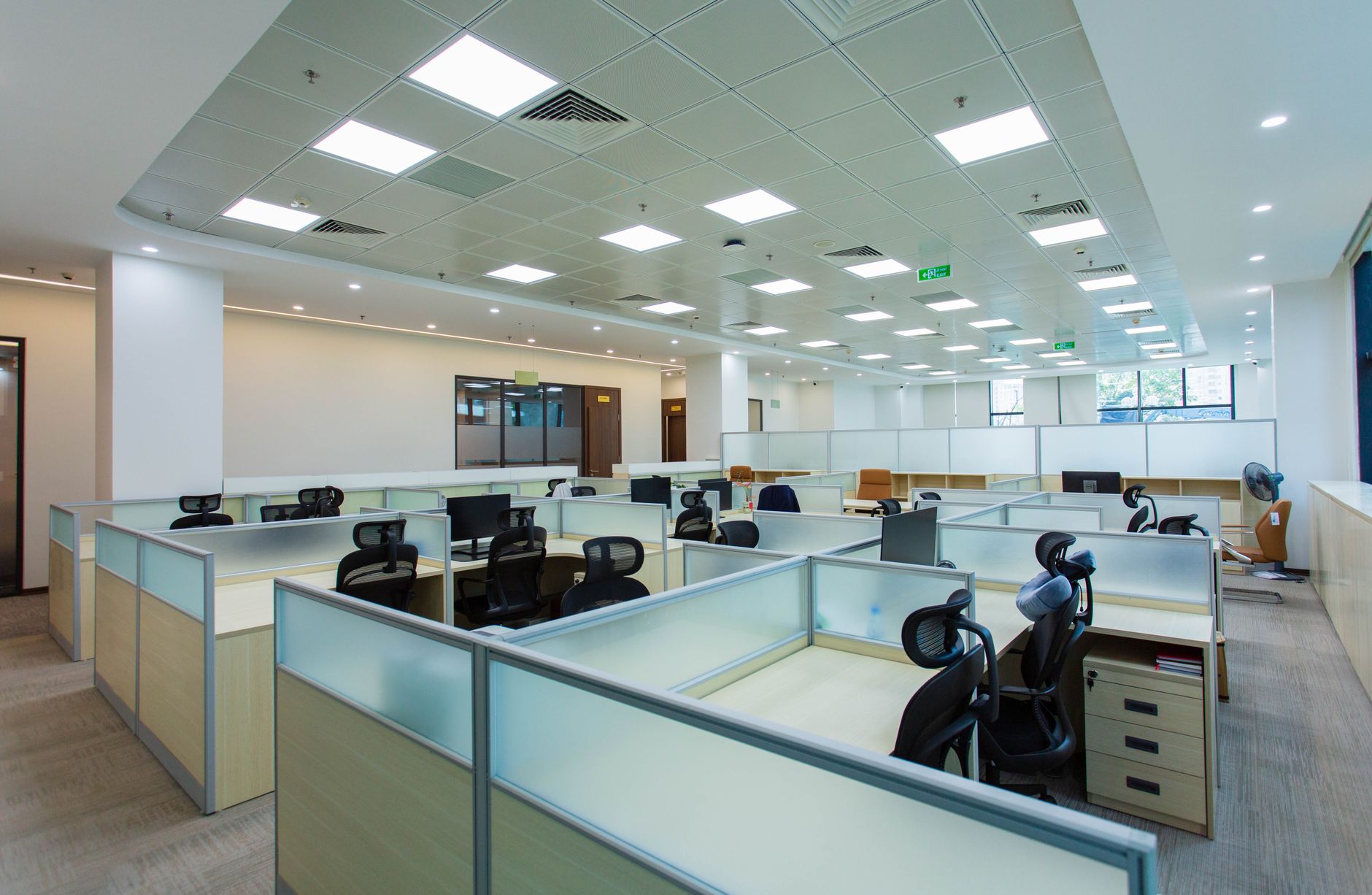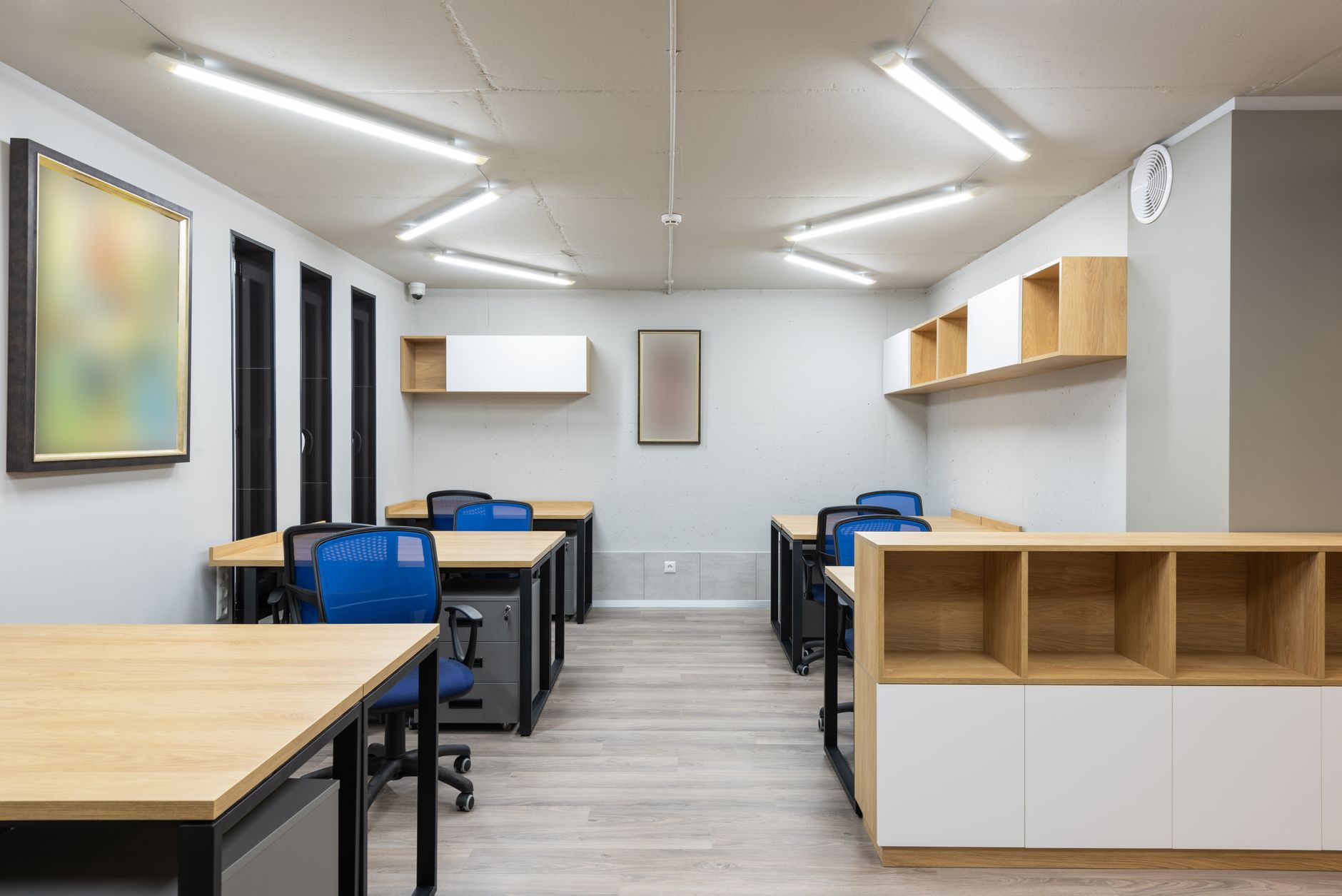
One of the most critical aspects of interior design is functionality. It's easy to get caught up in the aesthetic appeal of a space, but if it doesn't serve its intended purpose, it's not doing its job. Consider how each room will be used and plan accordingly. For example, if you're designing an office space, ensure there are enough power outlets for employees' devices and adequate storage solutions to keep the workspace organized.
2. Skimping on Quality Furniture and FixturesQuality furniture and fixtures may come with a higher price tag, but they're worth every penny in the long run. Cheaper alternatives may seem like a budget-friendly option, but they often sacrifice quality, leading to premature wear and tear or even safety hazards. Investing in durable, well-made pieces not only ensures your space looks great but also lasts longer, saving you money in the long run.
3. Forgetting About LightingLighting is an often overlooked yet crucial aspect of interior design. Proper lighting can transform a space, creating a warm and inviting atmosphere or highlighting specific features. However, poor lighting choices can make even the most beautiful room feel dull and uninviting. Consider both natural light and artificial lighting when designing your space. Incorporate window treatments that allow for optimal sunlight exposure while also providing privacy and comfort. And don't forget to layer your lighting - a combination of ambient, task, and accent lighting will create a balanced and functional space.
4. Underestimating the Power of ColorColor has the power to transform a space, setting the tone and atmosphere for an entire room. However, choosing the wrong colors can have the opposite effect, making a room feel small, cramped, or even uninviting. When selecting colors, consider the psychology of color and how different hues can impact mood and behavior. For example, warm colors like red, orange, and yellow are energetic and stimulating, while cool colors like blue, green, and purple are calming and soothing. Use these principles to guide your color choices and create a space that reflects your desired atmosphere.
5. Overlooking the Importance of Scale and ProportionScale and proportion are essential elements of interior design that can make or break a space. Furniture and fixtures that are too large or small for a room can throw off the entire balance, making the space feel uncomfortable or cramped. To avoid this common mistake, measure your space carefully before selecting furniture and fixtures. Consider the scale and proportion of each piece in relation to the room's size and layout. And don't forget to leave adequate breathing room between pieces - a little bit of negative space can go a long way in creating a well-balanced space.
6. Neglecting the Power of Personalization Your interior space should be a reflection of your unique style and personality. However, many homeowners and business owners fall into the trap of following trends or design rules without considering their own preferences. To avoid this mistake, focus on creating a space that truly represents you and your tastes. Incorporate elements that are meaningful to you, whether it's a piece of art, a family heirloom, or a favorite color.